
 Previous
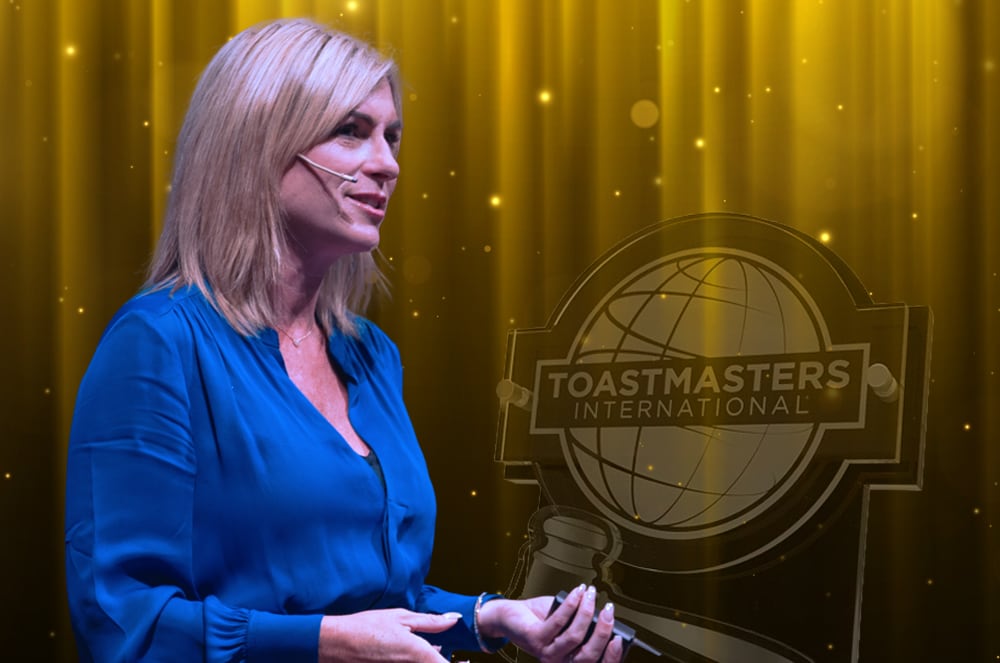
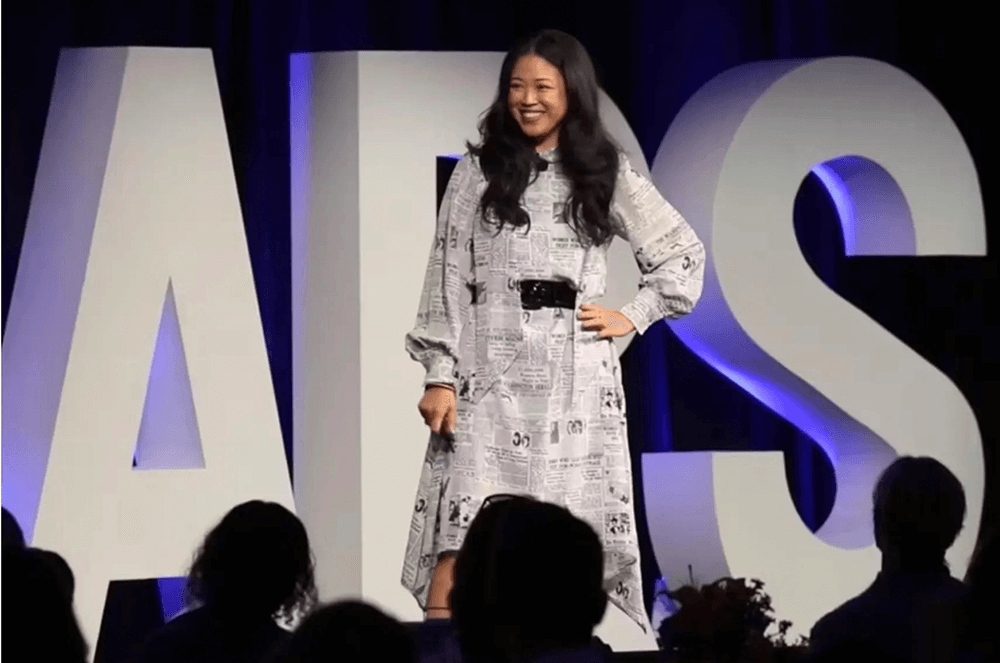
Meet Jennifer Moss—a workplace culture strategist, cofounder of the Work Better Institute, award-winning journalist and author, tech entrepreneur, syndicated radio columnist, and once, long ago, a terrified public speaker. A speaking career was “never on the radar for me,” she says of the work she’s come to love.
She is this year’s recipient of Toastmasters’ Golden Gavel Award, presented yearly at the International Convention to an individual distinguished in the fields of communication and leadership.
Moss says the award was quite a surprise, as receiving it would have been absolutely unpredictable 10 years ago. “Coming from [Toastmasters], an organization that helps people feel more comfortable onstage, this is, for me, a great space to talk about doing something you never thought you would or could do. I’m honored.”
When posting news of the award on LinkedIn, Moss reflected on the long journey of becoming a speaker. She noted that the memory of her first speech “is still so strong that I react viscerally to it. My stomach gets sick. I get sweaty. I fall over laughing at myself.”
Moss, of Ontario, Canada, is also a Harvard Business Review contributor, and the author of three books on workplace well-being: Unlocking Happiness at Work; The Burnout Epidemic; and her latest, Why Are We Here? Creating a Work Culture Everyone Wants. Moss calls the books a trilogy covering much of what she’s learned about workplace culture through the years and the sweeping changes she’s now seeing in the aftermath of COVID.
Strength and Gratitude
Not surprisingly, there is quite a story behind Moss’s story. Some years ago her husband, Jim, a healthy former professional lacrosse player (and inductee to the Canadian Lacrosse Hall of Fame), contracted a harrowing illness. The disease was partially paralyzing and potentially fatal. With loads of support from family and friends, and an athlete’s will to recover, he later walked out of the hospital on his own.
The experience was one of those “pivotal points in life where something really changes you,” Moss says. The family worked mightily to remain positive, and eventually began to feel stronger. They learned to fully appreciate even the smallest bits of good news. Optimism led their thoughts.
The ordeal made the Moss family intensely aware of the power of gratitude. Sharing thankful thoughts became a family ritual at the dinner table. Moss came to believe even more passionately in self-expressed gratitude and positivity. It had sustained her family through a very dark time and then gifted them a guidepost for living.

Listen to The Toastmasters Podcast to hear more from Jennifer Moss.
Jennifer has a degree in communication; Jim Moss has one in philosophy. After the crisis passed, they decided to draw on their parallel academic backgrounds and interests and learn more about how other people practice gratitude.
They started a blog, The Smile Epidemic, where people could share photos and Post-it notes of what makes them happy. Posts were silly, poignant, thought-provoking, and heartfelt. “We smiled and people smiled back,” Jennifer Moss says.
Participants, both young and adult, signed on from more than 120 countries. Comments ranged from “no more chemo” to being thankful for bacon. “Bacon is right up there with family and friends,” Moss laughs.
The First Speech
In 2014, a friend of Moss’s who was active in a Toronto TEDxWomen event asked Moss to share her story—the high points, the low ones, and the one about being eight months pregnant with another small child at home when it all happened. Moss consistently declined—but her friend persistently asked. Finally, Moss said yes.
Moss remembers writing and rewriting her TEDx speech, endless practice sessions, and even using the bathroom mirror to rehearse some power poses before going onstage. The speech wasn’t perfect but Moss learned she could speak on a topic that riveted her. So she kept speaking, honed her skills, and found her life’s calling.
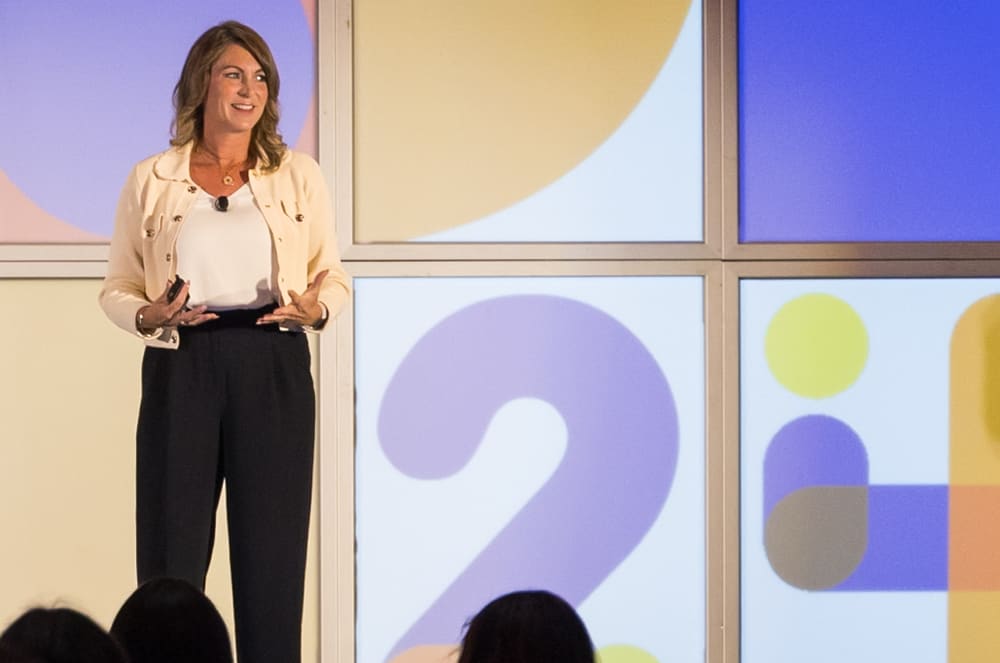
Now she gives more than 200 speeches and media interviews a year, in addition to teaching, leading workshops, and tracking workplace trends.
“Even though it can be frightening, and it was for me, public speaking ended up being what I love, it’s where I live,” she says. “When I get onstage, I feel like I’m talking to people who care about me, they want to hear from me, and I feel like I’m in a room full of my friends.”
Life Is Short
Moss’s work currently focuses on the steps critical to revitalizing a workforce forever changed by COVID. The pandemic was long, disruptive, terrifying, and isolating. Moss notes that when faced with their own mortality, people realized life is short. Understandably, they began taking a hard look at their lives, including the giant chunk of time taken up by work. They began to ask themselves, Does my work matter to anyone? and Why am I here?
COVID also created a toxic productivity among many workers as businesses struggled and projects demanded urgency and the 24-7 willingness to take on more and more work, whenever it was assigned.
Moss explains that pandemic stress, along with growing anxiety about AI and other technological advances, made many employees burn out. Currently, a vast majority of the workforce—nearly 80% according to a 2025 global poll by Gallup—feel disengaged from workplaces that are mired in stress, frustration, and a notable and damaging lack of leadership. Many of today’s workers can barely see a few weeks ahead, let alone bring high-performance mindsets to long-term, innovative projects that companies are anxious to develop.
“COVID taught us some very bad habits, and now it’s time to unwind them,” Moss notes.
Facts and Fallacies
Believing that none of the conventional workplace systems that worked in 2020 will work now, Moss developed a myth/truth list that illustrates the old practices many companies still follow, compared to solutions for today’s world.
Myth: Employee engagement is about perks and benefits.
Truth: Employee engagement is driven by purpose, trust, and fairness.
Myth: Workers become disengaged because they lack motivation.
Truth: People disengage when the system blocks their efforts and ideas.
Myth: “We’ll fix culture when we’re past this busy season.”
Truth: Culture is always forming, by intention or accident.
Myth: Engagement surveys will tell us what went wrong.
Truth: Well-being surveys prevent the root causes of problems before they go wrong.
Myth: If you’re highly engaged, you must not be burned out.
Truth: Often the highest engaged employees are at the highest risk of burnout.
Moss notes that when leaders recognize these myths still playing out in their workplace culture, it’s time for a major reboot. They should instead focus on instilling the fundamental human-led values that underlie high performance in the first place: trust, meaningful work, flexibility, rewarding relationships, and well-being.
“I always like to say, culture can be improved in 20 minutes or less. It’s about daily micro shifts rooted in these values!” Moss says.
The Impact of Toastmasters Training
Moss applauds Toastmasters for its enduring commitment to teach speaking skills, whether members are speaking at work or in a public-speaking arena, and she notes that skillful communication will be just as important in future workplaces as it is now.
“Communicating with AI, for example, will be almost like communicating with another species in the future,” she says. “We’ll need people who can do that and translate that information back to their teams with other tasks—and serve as a bridge between people and technology.”
She adds: “I think investing in what Toastmasters is teaching us to invest in will be more beneficial than we know.”

Share this article


Stephanie Darling is a former senior editor of and frequent contributor to the Toastmaster magazine.
 Previous Article