

 Previous
When I joined Toastmasters in 2014, I learned how to organize my thoughts, speak with intention, and deliver a message that landed. I found my voice and learned how to use it to amplify those who could not yet speak for themselves.
Despite that success, I struggled when Pathways became Toastmasters’ education program. When print manuals started being phased out, I felt like someone had taken my favorite map and replaced it with a compass—one that didn’t have directions. I logged in, clicked buttons, refreshed the screen, and stared at it aggressively, hoping determination might count as a navigation strategy. Eventually, I stepped away.
Two years later, determined not to be outwitted by a digital platform, I returned. This time, I set two ambitious goals for myself: Speak in all 50 states and finish one entire Pathways path. Fourteen months later, I completed both.
I selected the Strategic Relationships path, which felt fitting given how much of this journey involved navigating people, personalities, and platforms. As I worked through the path, I shared my projects and speeches with different clubs.
I visited clubs both virtually and in person, and each club was unique. Some were specialty clubs. Others were advanced or restricted. Some clubs had clear processes for visitors, which meant learning the rhythm of the room before stepping in. Others welcomed me with great curiosity, treating my visit like a special occasion. I was escorted in, introduced with care, and escorted out again. Each experience reminded me that Toastmasters is shaped by its members.
At each club, I shared my goals and reasons for setting them. Members responded with encouragement and followed up with me afterward. Support did not stop at applause or feedback forms. It showed up in messages, emails, and genuine check-ins. People remembered where I was headed and helped me keep moving.
I met incredible members who taught me that Toastmasters isn’t about perfection. It’s about progress, patience, and perseverance.
One unintended lesson that Pathways taught me was the importance of reading instructions carefully. Level 4 included the podcast project. I recorded a polished 25-minute podcast, edited it for hours, and felt proud of the result, only to discover it was designed to be 60 minutes long. After that, I triple-checked every assignment. When Pathways asked me to write a blog, I made sure it was not secretly asking for a novel.
Eventually, I completed Levels 1 through 5. Feeling accomplished, I logged into Base Camp to collect my well-earned certificate. Instead of it indicating I was 100% finished, I saw 91%. That is when I realized the final twist. I had to reflect. Reflection, it turns out, is Pathways’ way of reminding you that growth includes looking back as well as moving forward.
Although Pathways challenged me, what kept me going was the people. I met incredible members who taught me that Toastmasters isn’t about perfection. It’s about progress, patience, and perseverance. I didn’t just learn how to craft compelling speeches, I learned how to show up.
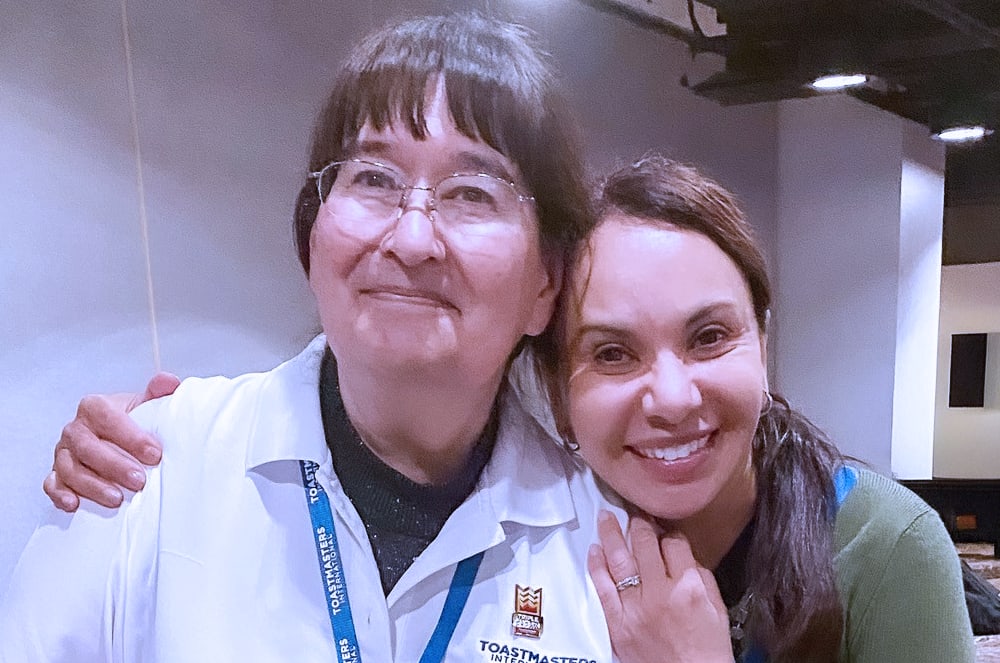
At the Peak Performance club in Loveland, Colorado, members taught me practical skills that transformed my virtual presence. One member volunteered hours of her time as a mentor, helping me improve my audio, lighting, background, and camera framing. She encouraged me to attend a conference. I flew out, and we met in person for the first time after months of working together online. Imagine that kind of support.
Toastmasters taught me preparation, professionalism, and how to create environments, digital or in person, where people can connect and thrive.
To anyone navigating Pathways: Keep going. Laugh through the technical glitches. Celebrate every login victory. And know this: Your voice is worth every click.

Share this article


Leila Kubesch is a member of two Toastmasters clubs: Competitive Speakers Cincinnati in Blue Ash, Ohio, and Peak Performance in Loveland, Colorado. She is the author of Tech-No to Tech-Pro: A Practical Guide to Digital Visibility Without Losing Your Humanity.
 Previous Article