


 Previous
You’re being introduced as the next speaker. Your heart is pounding and you mentally rehearse your opening line for the hundredth time. Suddenly, a voice whispers in your head, You’re going to forget everything. They’ll see right through you. You’re not good enough.
Sound familiar?
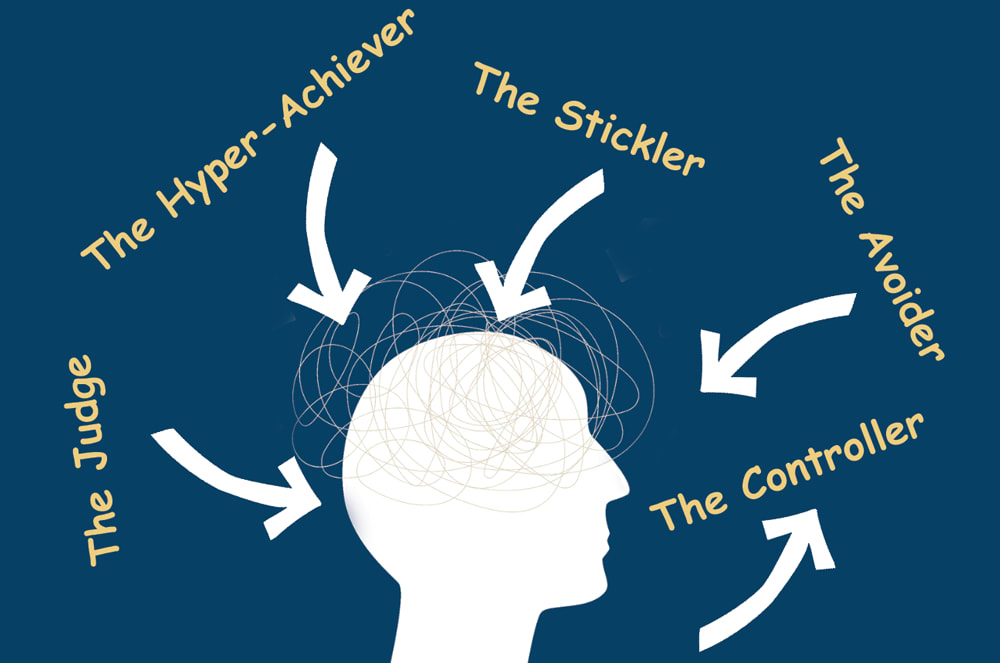
As a Toastmaster, you’ve probably heard this voice, not because you lack expertise or preparation, but because of internal voices distracting you from your purpose. These forces are what the Positive Intelligence (PQ) program calls “saboteurs”—internal patterns of thinking that undermine your performance and wellbeing.
Developed by an executive coach, Shirzad Chamine, the saboteur framework identifies 10 patterns of self-sabotaging thoughts. These saboteurs typically form in childhood to protect you from physical or emotional threats. For example, someone who experienced chaos might believe that managing every detail prevents disaster. While these patterns once served a protective purpose, they can interfere with your adult effectiveness, particularly in public speaking.
The good news? Once you recognize your dominant saboteurs, you can tame their impact. As a leadership coach, I have worked with hundreds of clients, many of whom have weakened their saboteurs through PQ. Read ahead to learn more about the 10 saboteurs, how they can undermine speakers, and tips to weaken them.
-
The Judge
This is the Master Saboteur. Everyone has it to some degree. It creates harsh self-criticism and negative judgments of others. This saboteur triggers the other saboteurs and works alongside them, creating more harm and stress.
This might be you if: When speaking, your Judge tells you, I’m terrible at this or They think I’m boring. It may also judge your audience negatively: They’re not smart enough to understand this. The Judge is constantly on duty, judging yourself, others, and circumstances.
To weaken this saboteur: Notice it and label it: That’s my Judge talking, not reality. Practice self-compassion and ask yourself: What would I tell a friend having these thoughts? -
The Controller
The Controller needs to control situations, outcomes, and others’ perceptions. During presentations, it demands that you rigidly follow your script, preventing you from adapting when audience energy shifts or questions arise.
This might be you if: You become anxious when your presentation doesn’t unfold exactly as planned, or when you can’t remember your prepared remarks.
To weaken this saboteur: Use talking points rather than a memorized script. Remind yourself that adaptability demonstrates competence. Start with low-risk experiments like Table Topics®. -
The Hyper-Achiever
The Hyper-Achiever ties your self-worth to performance outcomes. You focus on impressing others rather than connecting with them, leading to an inability to recover from small mistakes.
This might be you if: Your value as a speaker is tied to giving a flawless presentation, rather than on serving your audience’s needs. You race through Pathways, focusing on the achievement rather than the journey.
To weaken this saboteur: Shift your metric for success from “perfect delivery” to “meaningful impact.” Forgive yourself when you make an inevitable mistake. -
The Victim
This saboteur tends to blame others when things go wrong. Before speaking, it generates thoughts like The audience won’t like me or Terrible things always happen to me.
This might be you if: You interpret suggestions for improvement as negative criticism, judging the evaluator rather than respecting their suggestions.
To weaken this saboteur: Replace I can’t with I do my best. Remind yourself of all the positive points from your evaluator. -
The Stickler
The Stickler has rigid rules and demands perfection in every detail for itself—and everyone else. Small imperfections create great anxiety, and you may get completely derailed by minor mistakes.
This might be you if: You obsess over every detail in your preparation. One stumbled word throws off your whole presentation. You get anxious about completing projects in the Pathways learning experience, losing focus on the learning provided.
To weaken this saboteur: Practice “good enough” in low-stakes situations like a club speech. Remind yourself that your audience wants you to succeed. -
The Pleaser
Likability is important; however, the Pleaser makes you desperate for audience approval, and you can lose your authentic voice. The Pleaser may over-apologize or constantly seek validation.
This might be you if: You prioritize being liked over everything else, diluting your message or not sharing your opinion to avoid any possible criticism.
To weaken this saboteur: Remember that your role is to serve your audience’s growth. Avoid over-apologizing. Don’t mistake helpful tips as criticism. -
The Hyper-Vigilant
Constantly scanning for danger, this saboteur keeps you anxious about potential disasters: forgetting words, technical failures, hostile questions. This hypervigilance creates visible tension and exhausts your mental energy.
This might be you if: You focus obsessively on everything that could go wrong during your presentation.
To weaken this saboteur: Develop contingency plans for realistic concerns like technology failures. Practice grounding techniques like taking a deep breath before your first word. -
The Restless
The Restless always seeks the next thing, unable to be fully present. When speaking, this saboteur rushes through content, doesn’t pause to let ideas land, and fails to notice audience engagement.
This might be you if: You race through your presentation, pacing back and forth, waiting for it to be over.
To weaken this saboteur: Practice your speech standing perfectly still. Remind yourself that depth of impact matters more than finishing quickly. -
The Avoider
The Avoider focuses on the positive to dodge anything unpleasant. It procrastinates preparation, avoids practicing, and relies on “winging it.”
This might be you if: You avoid practicing your speech beforehand. You tell yourself this is just too hard, or you dismiss constructive feedback.
To weaken this saboteur: Set time aside to practice your speech and ask others what could be improved. Listen to their feedback and acknowledge your discomfort without letting it control your progress. -
The Hyper-Rational
This saboteur is all intellect with no emotion. Presentations become data-heavy and lack stories and human connection.
This might be you if: Your favorite speeches are based on facts and data, or you view emotional elements of speaking as manipulative or unnecessary.
To weaken this saboteur: Remember that humans make decisions emotionally and justify them rationally. Practice incorporating one personal story into each presentation. Notice how some speakers balance logic and emotion.
With practice, you’ll lessen the saboteurs’ power, and your authentic voice will emerge—the one that truly connects with and serves your audience.

Share this article


Sheila Kelly has worked with hundreds of individuals and teams as a professional coach, partnering with them to help them evolve their leadership as they tame the inner voice of their saboteurs. Learn more at thebigyes.com.
 Previous Article
Related Articles

Presentation Skills